
How Neurodivergent Learners Revise Best: The Science Explained
Why short videos, lesson audio, podcasts and clear daily tasks help ADHD, dyslexic and autistic students revise GCSE science, explained by a former Head of Science.

Why short videos, lesson audio, podcasts and clear daily tasks help ADHD, dyslexic and autistic students revise GCSE science, explained by a former Head of Science.

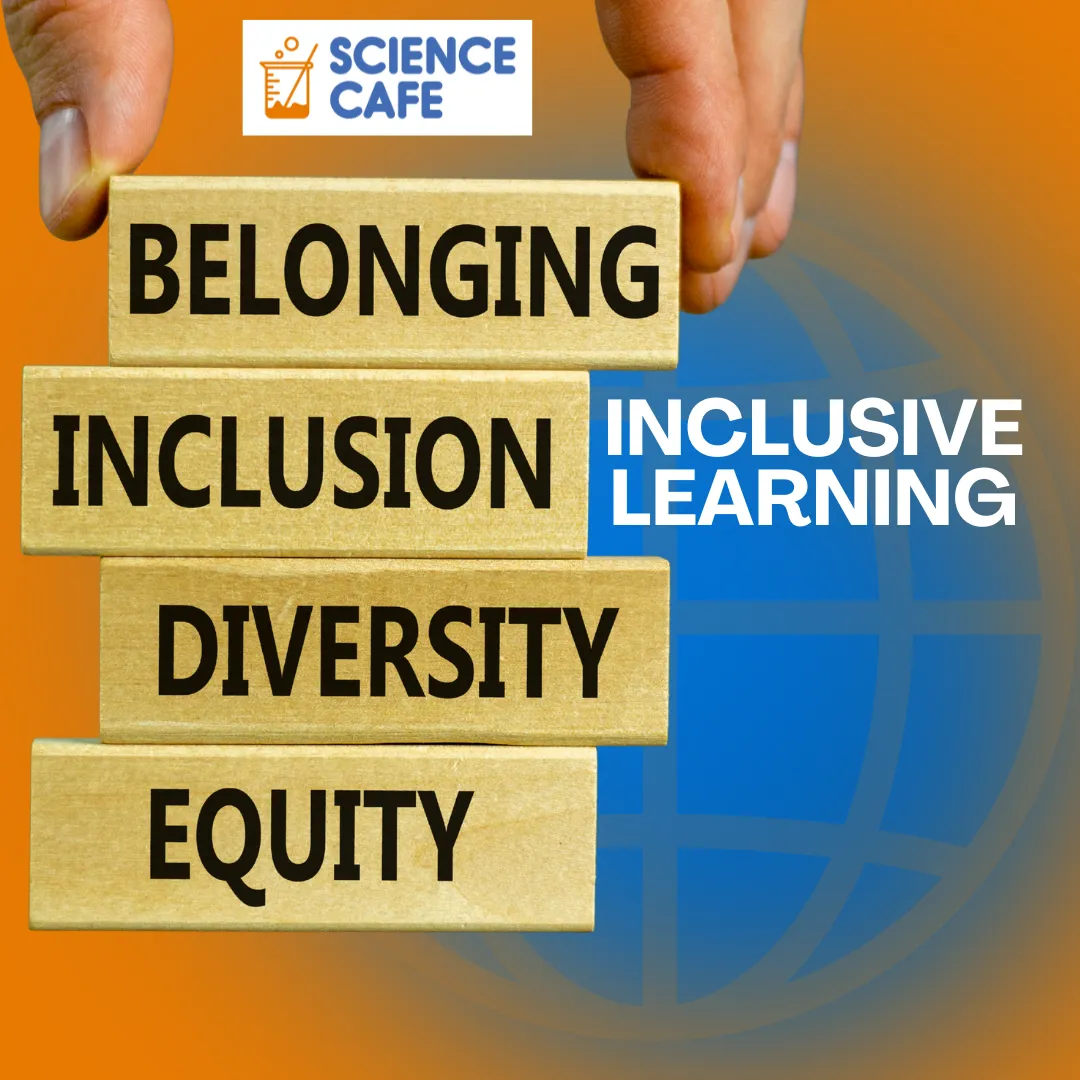
New government research links how much pupils feel they belong at school to their GCSE results, with a gap of a full grade between those who do and those who don't. SEND, disadvantaged, and female students report the lowest ratings.
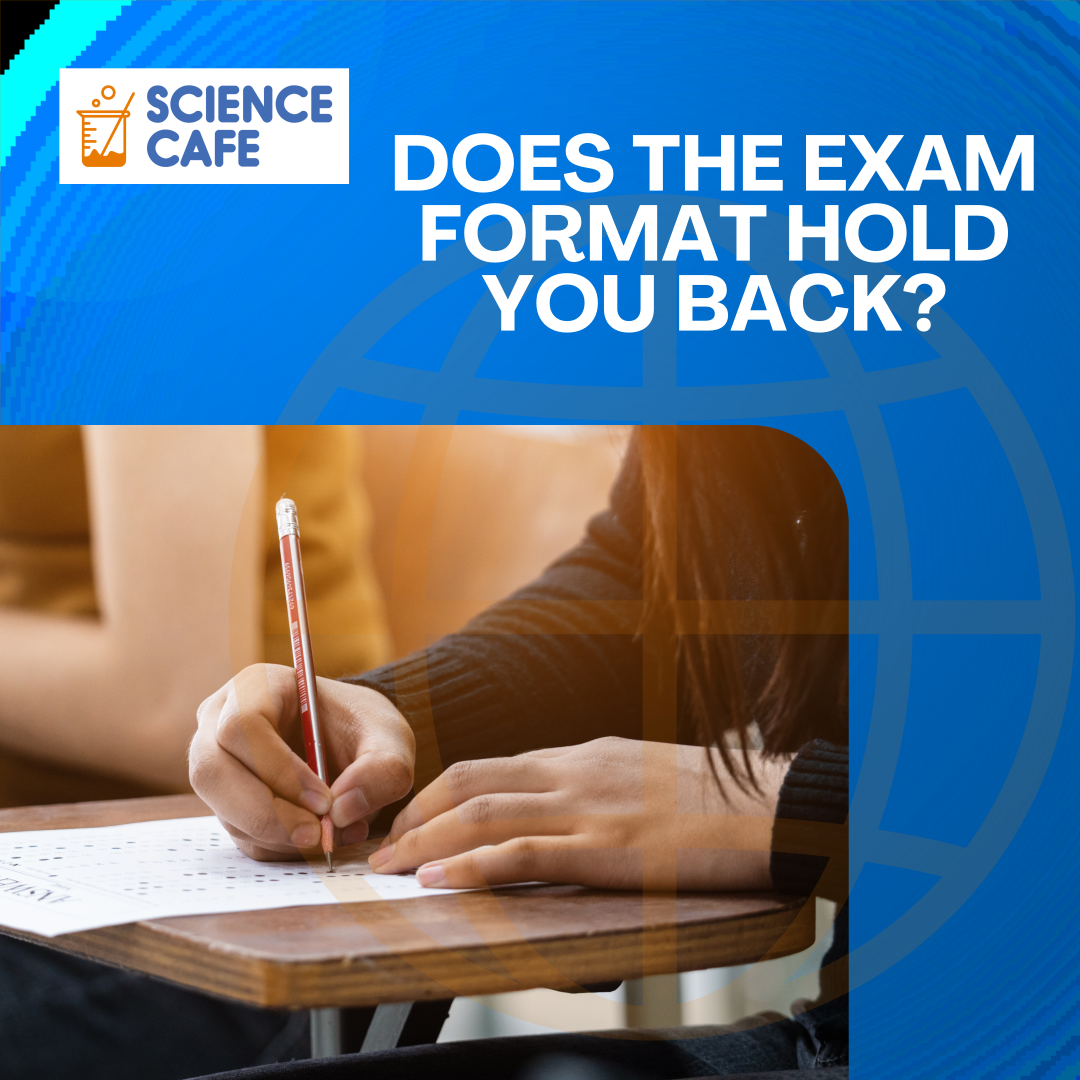
Assessment lies at the heart of the GCSE qualification. Yet, for many neurodivergent students, exam outcomes don’t reflect their knowledge or potential. New research funded by the Nuffield Foundation is helping us understand why that gap exists.

Approximately one in seven school pupils in the UK is officially diagnosed as neurodivergent (ADHD, autism, dyslexia, etc.). Yet when it comes to the pivotal moment of GCSEs, a worrying pattern endures: neurodivergent students under‑perform compared to peers despite access arrangements designed to level the playing field.